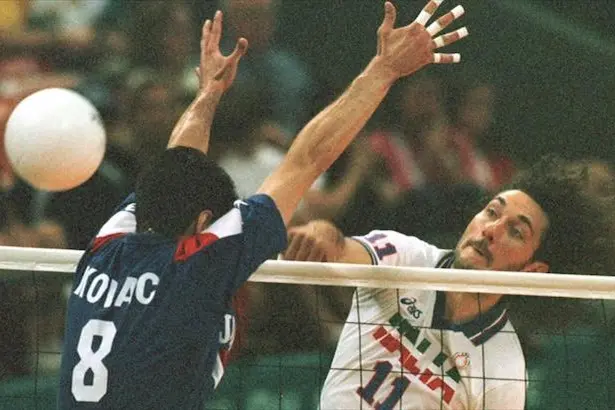
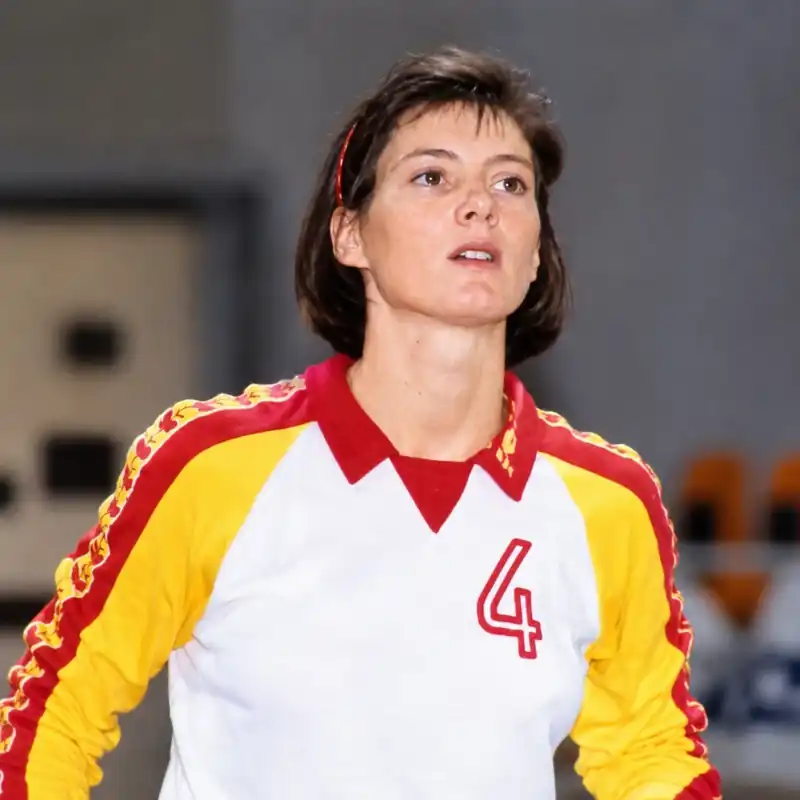
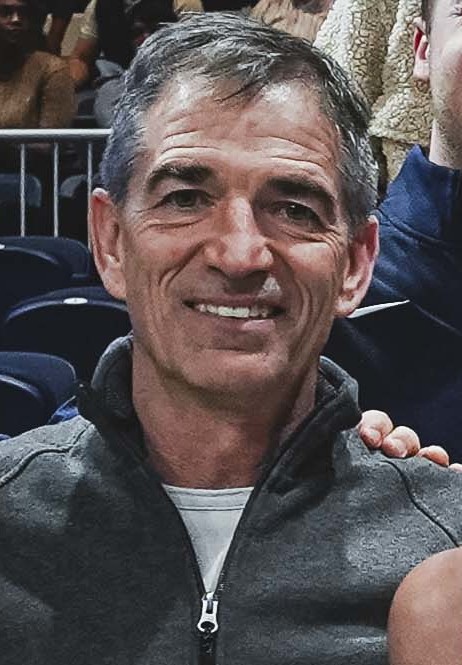
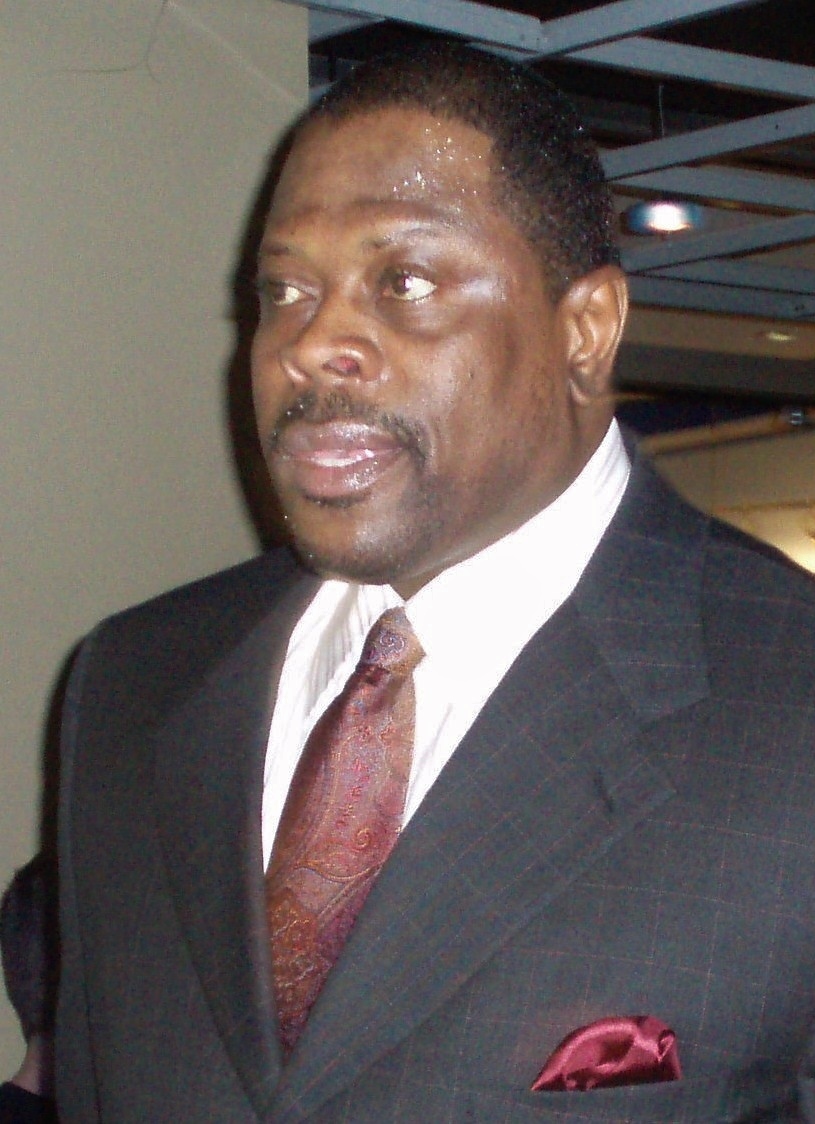
SPORTIVE MINDS / THE PEOPLE BEHIND SPORT / EST. 2026
THE STORIES THAT MADE SPORT.
Legends. Trailblazers. Champions. Coaches. The voices that moved the game forward. Explore 304 original English biographies across 13 disciplines and sports media.
Independent editorial profiles with official references. Featured people are not represented as Sportive Minds members or partners.
THE FACES OF SPORTSHUFFLING GALLERY · REAL PHOTOGRAPHS
From Bell Ville and Rosario to Valencia and Argentina's 1978 World Cup, Mario Kempes became a formidable left-footed scorer whose story extends far beyond one final.
From New York school basketball to six NBA championships, Kareem Abdul-Jabbar developed the skyhook into a signature of sustained excellence while building an independent life as a Muslim American, writer, educator and advocate for social justice.
Nino Farina became Formula 1’s first race winner and first world champion in 1950, after a long, demanding career in pre-war and post-war motor racing.
Carl Lewis turned sprinting and long jumping into a sustained Olympic career: nine gold medals, four consecutive long-jump titles and a second life teaching the craft.
From Bremerton's pools to a one-hundredth-of-a-second Olympic victory, Nathan Adrian's story links elite freestyle craft with family, health advocacy and teaching children to swim.
From Rio de Janeiro's volleyball courts to the leadership of the world federation, Ary Graça shaped international competition while facing scrutiny over Brazilian sporting governance.
From a Madrid fencing club discovered through a family leaflet to Spain's first Olympic fencing medal, José Luis Abajo transformed one decisive touch into a lasting sporting chapter.
From a stolen bicycle in segregated Louisville to Olympic gold, three heavyweight reigns and a global humanitarian legacy, Muhammad Ali reshaped boxing and public life.
From a Brussels grocery-shop childhood to eleven Grand Tour victories, Eddy Merckx built a career of exceptional range. His story spans the classics, the hour record, family, serious setbacks and the controversies that also belong in cycling history.
From a California childhood and three consecutive U.S. Amateur titles to fifteen majors, Tiger Woods reshaped modern golf, then returned to Augusta in 2019 with a different life around him.
From a Houston gym discovered on a childhood outing to the Olympic podiums of Rio and Paris, Simone Biles transformed artistic gymnastics through technical invention, resilience and choice.
Mary Carillo turned a brief Grand Slam-winning tennis career into decades of authoritative sport storytelling, from Queens courts to global television audiences.
From Fujian sports-school training to Olympic victories in Beijing and London, Lin Dan reshaped badminton singles through his enduring rivalry with Lee Chong Wei and an exacting, evolving game.
From a Porto-area boy playing with oranges to Portugal's first world futsal title, Ricardinho combined extraordinary close control with a lifelong education in teamwork.
From a family migration out of Yugoslavia to three Olympic golds with France, Nikola Karabatić helped reshape elite handball through shifting teams, close relationships, tactical range and remarkable longevity.
From Muay Thai training in Olsztyn to five UFC strawweight title defences, Joanna Jędrzejczyk helped establish a new era in women's mixed martial arts.
From Alsatian gymnastics and a self-funded Renault to nine world rally titles and a second life in rally-raid, Sébastien Loeb built an extraordinary career through adaptable craft and long partnerships.
From a teacher's invitation on the Thames to a fifth Olympic gold in Sydney, Steve Redgrave's rowing life was built through changing crews, family ties, technical reinvention and shared endurance.
A Cardiff reservoir, two Olympic crew partnerships and a new route into high-speed professional sailing: Hannah Mills's achievements are a story of skill shared, learned again and used for others.
From a Slovenian climbing club to two Olympic gold medals earned under different rules, Janja Garnbret has kept meeting unfamiliar problems — on new competition walls and on the demanding outdoor route Bibliographie.
From childhood training halls in Anshan to six Olympic gold medals, Ma Long became table tennis's defining all-round champion, adapting through rivalry, injury and generations of teammates.
From Prato and a transformed role at Vicenza to the six decisive goals of Spain 1982, Paolo Rossi became Italy's World Cup hero after a career interrupted by injuries and suspension.
Larry Bird's route from southern Indiana to three Boston championships was neither direct nor effortless. Family hardship, an abandoned college move, extraordinary court vision and a later career in coaching shaped a life larger than his famous rivalry with Magic Johnson.
From a childhood move to Florida to Wimbledon at seventeen, Maria Sharapova built a five-major tennis career shaped by adaptation, rivalry and life beyond the court.
From a mechanic's apprenticeship in Balcarce to five Formula 1 world titles, Juan Manuel Fangio forged a racing legacy through mechanical insight, teamwork, resilience and extraordinary driving judgment.
Five Olympic Games, six medals and world titles ten years apart made László Cseh an enduring Hungarian swimming great, whose story reaches beyond his celebrated rivalry with Michael Phelps.
April Ross built three Olympic medal-winning partnerships after a championship career indoors at USC. Her journey from learning to serve to Tokyo gold at thirty-nine continues through motherhood, a final return to competition and coaching.
From a childhood fencing club in Alexandria to Africa's first Olympic fencing medal, Alaaeldin Abouelkassem built a far longer career than his London silver.
From a difficult Brooklyn childhood and Cus D'Amato's Catskill gym, Mike Tyson became boxing's youngest heavyweight champion before a career of technical brilliance, historic reversals and serious public accountability.
From Normandy's roads to five Tour de France victories, Jacques Anquetil made racing against the clock a way of winning across Europe—and closed his career with a final Basque Country triumph.
From a gym in Onești to the first Olympic perfect 10 at Montreal 1976, Nadia Comăneci built a career across two Games, then made a new life beyond gymnastics amid Romania's political transformation.
A Ryder Cup competitor who became the familiar voice of televised golf, Peter Alliss connected the craft of the professional player with generations of viewers.
From a multi-sport Texas childhood to three Super Bowl victories, Patrick Mahomes combines unconventional quarterback technique with preparation, mentorship and collective achievement.
From Christchurch and Cockermouth to Durham and England, Ben Stokes built a two-discipline international career from family moves and competitive risk.
From Helsingør's handball courts to Paris and two Olympic golds, Mikkel Hansen combined an exceptional shot with family guidance, shared victories and the wisdom to decide when to stop.
From the rink Walter Gretzky made in Brantford to four Edmonton Stanley Cups and an era-defining passing game, Wayne Gretzky changed how hockey was played and imagined.
From Cervera and a record-setting rookie MotoGP season to Ducati's 2025 world championship, Marc Márquez rebuilt a racing career disrupted by serious injuries.
From a teenage swimming champion in Barcelona to nineteen Paralympic gold medals and a public voice for Para sport, Sarah Storey built two elite careers and then chose to campaign beyond them.
A law student who learned to row at Edinburgh, Katherine Grainger carried a changing series of British crews through five Olympic Games and a London gold before leading the country's Olympic institutions.
From Wilmington and North Carolina to six Chicago Bulls championships, Michael Jordan reshaped basketball through evolving craft, teamwork, global influence and a remarkable return to the sport.
A California left-hander with his own NCAA singles crown, Bob Bryan helped reinvent world doubles beside his twin Mike before returning as a national-team captain.
From a Milan racing family and motorcycle beginnings to Ferrari's first two world drivers' titles, Alberto Ascari shaped early Formula 1 through precision and exceptional speed.
From a Warsaw school track to Olympic gold across twelve years, Irena Szewińska transformed her sprinting range into a record-setting 400-metre career and a lifetime of sporting service.
From Groningen relay prospect to London's 50m and 100m Olympic champion, Ranomi Kromowidjojo built a four-Games career before championing the voices of swimmers.
From Espírito Santo to Olympic gold on Copacabana, Alison Cerutti became a defining beach volleyball blocker through partnerships, technical skill and repeated reinvention.
From Harlem boxing clubs to welterweight and five middleweight reigns, Sugar Ray Robinson became a standard of ring craft whose long career included victories, reversals and influence beyond boxing.
From Breton village races to five Tours and ten Grand Tour victories, Bernard Hinault made endurance, tactical risk and fierce rivalry part of cycling history.
From a working family's home beside Latrobe Country Club to seven majors and Arnie's Army, Arnold Palmer helped bring golf to a wider world of spectators and players.
From a Pasadena childhood and four-sport UCLA career to Brooklyn's 1947 breakthrough, Jackie Robinson transformed baseball while continuing to demand equal opportunity beyond it.
From childhood fencing in the Veneto to Paralympic gold and bronze, Bebe Vio's sporting story is about competitive technique, sustained teamwork and access to sport.
From an earthquake-disrupted rink in Sendai to two Olympic gold medals, Yuzuru Hanyu shaped figure skating through exceptional technique and musical authorship.
From Palermo and Messina's lower divisions to the remarkable nights of Italia '90, Totò Schillaci turned patient progress into six goals that defined a World Cup.
Earvin Johnson grew up in Lansing and made passing the centre of a spectacular basketball career. Five Lakers championships were followed by a public HIV disclosure, advocacy and business ventures that gave his influence a second, very different form.
From a Sydney engineering workshop and dirt-track speedcars to three Formula 1 titles, Jack Brabham became the only driver to win the World Championship in a car bearing his own name.
From a working-class home in Turku to nine Olympic titles, Paavo Nurmi transformed distance racing through measured pace and discipline while living through the contradictions of amateur sport.
From club swimming in North Holland to Rio's dramatic Olympic touch and a world title at Balaton, Ferry Weertman became a defining Dutch open-water champion.
From Nanjing fencing lessons to Olympic gold, Xu Anqi mastered the demands of team épée, navigating world-number-one expectations, family commitments and a return to international competition.
From Alabama and the Great Migration to the heavyweight crown, Joe Louis fought through an era of segregation, became a wartime American symbol and defended his title twenty-five times.
From Villava's local cycling club to five straight Tours de France, Miguel Induráin built a rare record of endurance, teamwork and mastery against the clock.
From a family gymnastics club in Nagasaki to six world all-around titles and Olympic victories in London and Rio, Kohei Uchimura made consistency an art and later opened the sport to new generations.
From a Pyrenean childhood alongside his brother Simon to six Olympic golds, Martin Fourcade made biathlon a story of precision, rivalry and delayed justice.
From childhood in Italy to two Lakers championship eras, Kobe Bryant's story includes twenty NBA seasons, family, adversity and an Oscar-winning life beyond basketball.
Read the biography →Photograph: James Phelps / Wikimedia Commons · CC BY 2.0 · Authentic photograph by James Phelps, 12 August 1992, Cincinnati tournament; licensed on Flickr under CC BY 2.0 and independently reviewed on Commons. · Unaltered original.
From a teenage US Open breakthrough to seven Wimbledon crowns, Pete Sampras built an era around a commanding serve, adaptive technique and purposeful restraint.
From a London workshop and rowing club to two Formula One world titles, Graham Hill built an extraordinary late-starting racing career across disciplines.
From Ethiopia's highlands to the roads of Rome and Tokyo, Abebe Bikila transformed Olympic marathon history through disciplined preparation, two world-best victories and an enduring legacy beyond racing.
Read the biography →Photograph: Borgil — Wikimedia Commons · CC BY-SA 3.0 · Authentic original photograph dated 23 July 2009, Rome diving world championships, creator Borgil, Creative Commons Attribution-ShareAlike 3.0. · Unaltered original.
From the courts of Irajá to two Olympic titles, Fabi Alvim turned defensive intelligence into a defining volleyball career, later finding a new voice as a commentator and advocate for athletes' family lives.
From his brother's old bicycle in Pinto to seven official Grand Tour victories and a final Angliru attack, Alberto Contador shaped an eventful cycling era.
From the Berwickshire family farm to Lotus, two Formula 1 titles and Indianapolis, Jim Clark transformed extraordinary driving judgment into a defining motorsport partnership.
From a versatile Dutch teenager competing in Berlin to four London 1948 Olympic gold medals, Fanny Blankers-Koen changed how the world saw women's athletics and the careers of mothers in sport.
From childhood coaching in Chelyabinsk to two world championships and Olympic silver medals, Ekaterina Gamova made power and timing central to volleyball.
From the boxing gyms of Mindanao and Manila to world titles across eight weight divisions, Manny Pacquiao changed the scale of a fighting career.
Read the biography →Photograph: Amarvudol / Wikimedia Commons · CC BY-SA 4.0 · Original photograph of Pogačar at the Giro d'Italia on 23 May 2024 in Padua, taken and uploaded by Amarvudol as own work, Wikimedia Commons CC BY-SA 4.0. · Unaltered original.
From a Slovenian youth club to five Tour de France wins, Tadej Pogačar built an all-round racing career shaped by close relationships, risk and resilience.
Read the biography →Photograph: Bryan Berlin / Wikimedia Commons · CC BY-SA 4.0 · Identity-confirmed competition-era photograph of Rory McIlroy at the Travelers Championship on 18 June 2025, by Bryan Berlin. Original author's Creative Commons Attribution-ShareAlike 4.0 licence. · Unaltered original.
From a Karlsruhe apprenticeship to Bayern's European triumph and a World Cup final mistake, Oliver Kahn's demanding career shows why resilience requires accountability, skill and the ability to contribute beyond personal status.
From Davidson's unlikely NCAA run to four NBA titles and Olympic gold, Stephen Curry redefined long-range basketball through movement, precision and shared team craft.
John Surtees won seven motorcycle world titles before becoming Formula One champion in 1964, a singular cross-disciplinary career shaped by engineering curiosity, exacting teamwork and a life beyond the circuit.
From Sheffield training under Peter Coe to two Olympic 1500m titles and leadership of London 2012, Sebastian Coe shaped athletics on and off the track.
From a volleyball family and two Olympic Games as a player to France's first men's Olympic gold as coach, Laurent Tillie built his career by learning across disciplines and cultures rather than depending on one triumphant ending.
From Marseille's La Castellane district to the 1998 World Cup, the 2002 Champions League volley and coaching France, Zinedine Zidane's story is one of skill, family and responsibility.
Tim Duncan's first ambition belonged in a swimming pool on St. Croix. His later path through Wake Forest and nineteen seasons in San Antonio produced five championships, a quietly influential playing style and an enduring connection to the Virgin Islands.
From childhood badminton in Wuhan to Roland-Garros 2011 and Australian Open 2014, Li Na changed the possibilities of Asian tennis while repeatedly remaking her professional life.
From East St. Louis and a UCLA basketball scholarship to the seven-event world record in Seoul, Jackie Joyner-Kersee built a life across sport, education and community service.
From a father's bicycle near Bern to two Olympic time-trial golds, Fabian Cancellara built a career at the crossroads of individual speed, teamwork and family.
Martina Navratilova crossed borders and transformed the way a tennis champion prepared. From her Czech childhood to nine Wimbledon singles titles and a final major at forty-nine, her story combines independence, reinvention and extraordinary skill.
From the fish auctions of North Jutland to victories in all three Grand Tours, Jonas Vingegaard forged a cycling career through patience, teamwork and repeated returns from injury.
From Rosario's Grandoli pitch and Barcelona's academy to Argentina's World Cup title, Lionel Messi built a career through close control and shared play.
Hakeem Olajuwon's sporting education began with football and handball in Lagos, not an American basketball academy. His journey to Houston produced two NBA championships, an extraordinary repertoire of footwork and a public identity shaped by faith, learning and teaching.
From a contested ambition in Vienna to three Formula 1 world titles, Niki Lauda built a career around speed, judgement and difficult decisions. His story reaches beyond the 1976 accident to Ferrari, McLaren, aviation and a lasting influence at Mercedes.
From California beach volleyball beside his father to three Olympic playing golds and a national-team coaching career, Karch Kiraly has crossed the sport's eras.
From a second-hand bicycle in Johannesburg to two Olympic Games, Jean Spies built an international track-cycling career through resourcefulness, skill and community support.
From an unfunded racing ambition and Hesketh's improbable opening to the 1976 championship, James Hunt's story holds technical adaptability, rivalry, friendship and human fallibility together.
From Beijing sports-school training to Olympic gold in two professions, Lang Ping's remarkable volleyball career links generations of Chinese and international teams.
From a bicycle assembled with his father in Messina to victories in all three Grand Tours, Vincenzo Nibali joined tactical daring to a lasting commitment to young Sicilian cyclists.
From rural Kurow to the World Cup podium twice as captain, Richie McCaw's rugby journey combined technical discipline, collective leadership and a wider life in aviation.
Bill Russell turned defensive intelligence into eleven Boston championships while refusing to separate sporting achievement from human dignity. His journey from Louisiana and Oakland to player-coach, author and civil-rights advocate changed what leadership in basketball could mean.
From Ethiopia to the Netherlands, Sifan Hassan became an Olympic champion across track and marathon distances, repeatedly challenging the boundaries of competitive distance running.
From a teenage setter in Trento to the FIVB's joint Player of the Century, Lorenzo Bernardi built a life around versatility, shared excellence and learning to lead.
Valerian Bazarevich appears among the people honored in the International Fencing Federation's Hall of Fame.
Read the biography →Photograph: Rob Mieremet / Anefo — Nationaal Archief, via Wikimedia Commons · CC0 1.0 · Authentic 30 April 1974 photograph by Rob Mieremet / Anefo, Dutch National Archives (Nationaal Archief) collection 254-9533. Explicit CC0 1.0 release on Wikimedia Commons. Portrait in football career era, not mislabeled as match action. · Unaltered original.
From Amsterdam street football to Ajax's European triumphs and Barcelona's Dream Team, Johan Cruyff taught generations to see the space before the pass.
From Philadelphia school courts to basketball's hundred-point game, Wilt Chamberlain pushed individual records beyond familiar limits. His two championships, changing roles, Kansas years and later life in volleyball tell a more complex story than scoring alone.
From a pole-vault runway in his Louisiana backyard to Olympic gold and a 6.31-metre world record, Armand Duplantis made extraordinary height the product of family, technique and constant adaptation.
From a teenage Olympic silver in Athens to world records in Rome and a fifth straight Olympic 200m final, Federica Pellegrini changed the history of Italian swimming.
From Tongan family roots and Wesley College to the 1995 World Cup and a life shaped by kidney illness, Jonah Lomu changed what a rugby wing could be without ever winning a World Cup.
Julius Erving grew up on Long Island and became the defining aerial star of the ABA before bringing his creativity to Philadelphia. Three professional championships, an unfinished education later completed and business ventures reveal a career larger than the famous dunks.
From a childhood scripted around tennis to eight majors, world No. 141 and a remarkable return, Andre Agassi learned to remake both his game and the meaning of success.
From a childhood kart in São Paulo to three Formula 1 world titles, Ayrton Senna built a career of exceptional speed, fierce rivalries and complicated choices, leaving a legacy that reaches beyond the circuit into education.
From rural school runs in Ethiopia to two Olympic 10,000m titles, Haile Gebrselassie transformed endurance into a lifetime of racing, work and opportunity.
From youth gyms on Italy's Adriatic coast to a five-set World Championship final, Davide Mazzanti built an unusually varied coaching career. His most revealing victories and defeats illuminate the difficulty of making elite performers work as a team, and the resilience required to begin again.
A young Milanese foil fencer became a two-time Olympic champion, then carried the discipline of her sport into medicine and public leadership. Diana Bianchedi's story is shaped as much by an injury in Atlanta and the responsibilities that followed as by the golds won in Barcelona and Sydney.
From Madeira and Sporting's academy to European titles and Portugal's greatest nights, Cristiano Ronaldo built a career through technical reinvention and extraordinary scoring.
Charles Barkley excelled as a scorer and rebounder without the height traditionally expected of dominant interior players.
Read the biography →Photograph: Rwjabour — Wikimedia Commons · CC BY-SA 4.0 · Authentic original photograph on 7 August 2016, warm-up before opening singles match against Daria Gavrilova, author Rwjabour, licensed CC BY-SA 4.0. · Unaltered original.
From Compton practice courts with Venus to twenty-three major singles titles, Serena Williams changed the possibilities and public profile of women's tennis.
Nigel Mansell's pursuit of the Formula 1 title passed through injury, financial risk, fierce team rivalries and two painfully lost championship chances before his dominant 1992 Williams season; he then became a rookie champion in America's IndyCar series.
A teenager once embarrassed by his own height found a place where it could become a strength. He was sixteen when volleyball entered his life; years later, the world would know Andrea “Zorro” Zorzi as one of the most formidable attackers of Italy’s Generazione di Fenomeni. The numbers are immense: 325 appearances in blue, two world titles, three European crowns, three Olympic Games and silver at Atlanta 1996. But the story begins before the victories and continues long after the applause. Zorzi has spoken openly about the cost of relentless competition, the difficulty of defeat and the danger of dividing human beings into winners and losers. Athlete, teammate, storyteller and stage performer, he offers something more valuable than the fantasy of an invincible hero: the example of a person who learned to turn discomfort into belonging, excellence into shared work, and an ending into a new beginning.
From Surrey school fields to Sydney's World Cup final and Toulon's European crowns, Jonny Wilkinson's extraordinary precision carried both sporting triumph and a candid reckoning with pressure.
From Caldogno and Vicenza to the European football summit, Roberto Baggio united improvisational technique with a career marked by injury, family and enduring national affection.
Steve Nash travelled from a multi-sport childhood in Victoria to two NBA MVP awards by learning how to see the whole court. His career joins precision shooting, inventive teamwork, Canadian identity and a sustained commitment to children's opportunities.
Read the biography →Photograph: 350z33 — Wikimedia Commons · CC BY-SA 4.0 · Original spectator photograph dated 30 August 2022 at Arthur Ashe Stadium, New York, explicitly released by photographer 350z33 as CC BY-SA 4.0 on Commons. · Unaltered original.
From the courts of Manacor and Toni Nadal's lessons to fourteen Roland-Garros titles, Rafael Nadal adapted his game across surfaces and generations.
Read the biography →Photograph: Chris J. Moffett — Wikimedia Commons · CC BY-SA 2.5 · Authentic press-conference portrait at the 2005 United States Grand Prix, photographed by Chris J. Moffett on 16 June 2005 (EXIF). Explicit CC BY-SA 2.5 license and author attribution verified from Wikimedia Commons; not depicted driving. · Unaltered original.
From a working family at Kerpen's kart track to seven world championships, Michael Schumacher reshaped Formula 1 through speed and shared technical craft.
From Bethesda's community pools to four Olympic Games, Katie Ledecky reshaped distance swimming through repeated reinvention and extraordinary endurance.
The boy who grew up in La Plata with a teacher for a mother later helped change the language of leadership in world volleyball. Julio Velasco's journey passed through Argentina's dictatorship, youth coaching, four consecutive titles with Modena, Italy's extraordinary men's generation, the hurt of Atlanta 1996, and a remarkable new chapter with Italy's women: Olympic gold in Paris 2024 and a world title in 2025. The honours are immense. The human story matters even more: he continued to learn across countries, generations and professions, and reminded coaches that discipline must leave people room to make mistakes.
From Dublin school rugby to two Irish Grand Slams, Johnny Sexton made the out-half's decisions a craft of leadership, then carried his experience into coaching.
Read the biography →Photograph: Marie-Lan Nguyen / Wikimedia Commons · CC BY 3.0 · 2014 European Fencing Championships, women's team foil, round of 16 Italy versus Romania, Rhénus Sport, Strasbourg, 14 June 2014; Wikimedia Commons authentic competition photograph. · Unaltered original.
From lessons in Jesi to three straight Olympic individual foil titles, Valentina Vezzali became a six-time gold medallist—and built a life in sport beyond the piste.
From the Cregagh streets of Belfast to Manchester United's first European Cup, George Best fused daring technique with a life that outgrew and complicated football's earliest modern celebrity.
From a childhood on the courts at Kopaonik to major championships and Olympic gold, Novak Djokovic built his career through adaptation, rivalry and extraordinary consistency.
Andrea Giani is a bridge between two eras of European volleyball: the Italian player who won three consecutive World Championships and the coach who later guided national teams including Slovenia, Germany and Olympic champion France. His career shows how an outstanding athlete can learn the different craft of leadership from the bench without simply repeating the methods of his playing days.
Born in Japan and raised in the United States, Naomi Osaka learned tennis with her family before becoming the first Japanese singles Grand Slam champion and world No. 1.
Maurizia Cacciatori was one of the recognisable faces of Italy's growing women's volleyball movement at the turn of the century. A setter and senior international, she became associated with a period when women's club and national volleyball gained a stronger public profile. In March 2026 the Italian federation honoured her in its women's indoor athlete category of the Italian Volleyball Hall of Fame.
From Mykolaiv's dance classes to two Olympic team-sabre golds sixteen years apart, Olga Kharlan built a remarkable fencing career shaped by technical craft, family and Ukraine.
From Burnaby community soccer to 190 international goals, Christine Sinclair helped Canada win Olympic gold while women's professional football changed around her.
From Jávea and the Catalan training courts to a Paris Masters title and Spain’s Davis Cup bench, David Ferrer built a formidable tennis life through consistency, adaptability and relationships beyond the scoreboard.
Paula Weishoff helped define the modern United States women's volleyball programme as a feared middle blocker and powerful server. She won Olympic silver at Los Angeles 1984 and bronze at Barcelona 1992, played at a third Games in 1996, and later moved into coaching. Her career connects a college national title, elite international competition and the long-term development of women's volleyball.
From public courts in Compton to seven Grand Slam singles championships and a campaign for equal pay, Venus Williams helped remake the possibilities of women's tennis.
From a second-hand kart in Stevenage to seven world titles and a Ferrari victory, Lewis Hamilton combined racing craft, teamwork and wider opportunity.
Read the biography →Archival photograph supplied by the user; AI-enhanced editorial rendition · User-approved editorial display; original photographer and underlying reuse rights unverified. Reconstructed from an archival image supplied by the user. Face and other details may differ from the original. The original photographer and underlying reuse rights have not been independently established; this is not an unaltered documentary photograph.
Rosanna Baiardo became the first Sardinian woman to represent Italy at senior international level in volleyball. A middle blocker from Sassari, she earned 119 national-team appearances between 1981 and 1988 and was part of Italy’s gold-medal squad at the 1983 Mediterranean Games. Her story continues through teaching, coaching and the development of opportunities for young athletes in Sardinia.
A kart racer from Heppenheim became Formula One's youngest world champion, won four consecutive titles and then asked what a champion owes to people and the world beyond the circuit.
Franco Bertoli helped carry Italian men's volleyball from an Olympic ninth place to its first bronze medal. His subsequent decades as a Modena club leader, commentator and educator ask how athletic excellence can become a lifelong capacity to contribute.
From Nebraska family life and Florida junior tennis to a US Open title and international rivalries, Andy Roddick built a career that continued through education and tennis media.
Andy Murray's championships grew from Scottish family tennis, difficult international comparisons and historic British expectations. His story illuminates patient craft, respect for women coaches, physical limits and the possibility of beginning again.
From karting in Monaco to Ferrari victories at Spa, Monza and his home Grand Prix, Charles Leclerc built his career through speed, adaptation and teamwork.
From world karting champion and Padua political-science student to one of Formula 1's longest-serving competitors, Riccardo Patrese learned to survive change.
From family karting in Germany to six Formula One wins and a second career beside the circuits, Ralf Schumacher built an identity beyond a famous surname.
From Finnish karting to Grand Prix victories with Mercedes and the building of Cadillac's Formula One team, Valtteri Bottas has met changing challenges with speed, technical feedback and collaboration.
From an eight-year-old in Ljubljana to Madrid's teenage EuroLeague champion and an NBA star in Dallas and Los Angeles, Luka Dončić has learned to carry basketball between countries, generations and teams.


 FootballLionel MessiPhoto: Hossein Zohrevand / Tasnim News Agency — Wikimedia Commons · CC BY 4.0
 BasketballMichael JordanPhoto: Steve Lipofsky / Basketballphoto.com, via Wikimedia Commons · Creative Commons Attribution-ShareAlike 3.0 Unported (CC BY-SA 3.0)
 TennisRoger FedererPhoto: Nick Webb / Wikimedia Commons · CC BY 2.0
 Formula 1Ayrton SennaPhoto: Instituto Ayrton Senna / Wikimedia Commons · CC BY 2.0
 AthleticsCarl LewisPhoto: KUHT, University of Houston archives / Wikimedia Commons · CC0 1.0 Universal
 Swimming and aquaticsFederica PellegriniPhoto: Oleg Bkhambri (Voltmetro) / Wikimedia Commons · CC BY-SA 4.0
 VolleyballAry GraçaPhoto: National Olympic Committee of the Republic of Uzbekistan (Olympic.uz) — Ary Graça at a September 2024 sporting-governance event; via Wikimedia Commons · Creative Commons Attribution 4.0 International (CC BY 4.0)
 RugbyRochelle MartinPhoto: New Zealand Government, Office of the Governor-General · CC BY 4.0